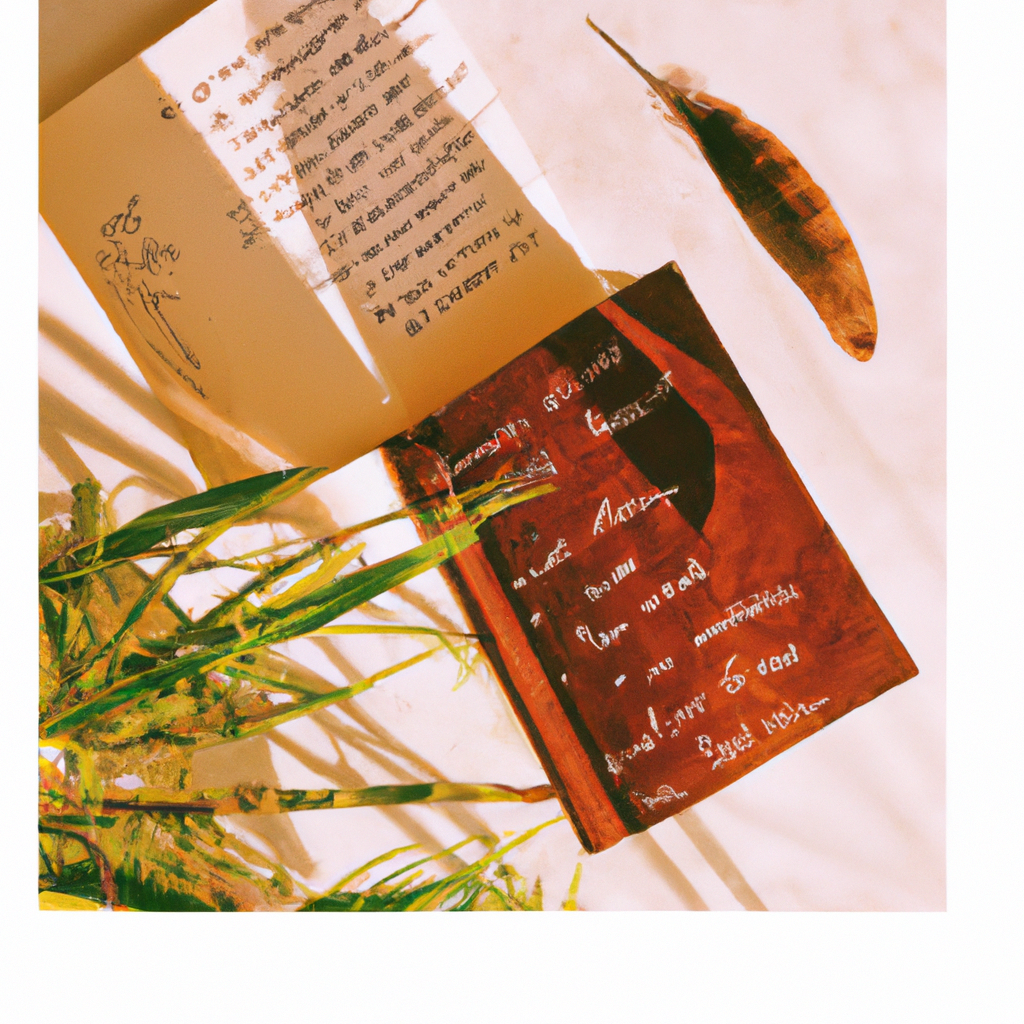
The Jungle Book: Why This Timeless Classic Matters for Readers of All Ages
Few stories have woven their way into the hearts of readers quite like The Jungle Book by Rudyard Kipling. Set in the lush, mysterious Indian jungle, this collection of tales—centered around the unforgettable Mowgli—has inspired generations to reflect on courage, belonging, and the unspoken rules of nature. But what makes The Jungle Book such an essential read today, and who stands to gain the most from its pages?
Who Should Read The Jungle Book?
The Jungle Book is often associated with childhood and nostalgia, but its reach extends far beyond young readers. Its vivid characters, powerful morals, and Indian setting make it especially meaningful for:
- Young readers discovering literature and learning about bravery, loyalty, and friendship.
- Parents seeking stories with positive values to read aloud or share with their children.
- Teachers in search of culturally rooted tales that spark classroom discussions about nature, society, and ethics.
- Writers and poets seeking inspiration from classic story structures and evocative descriptions.
- Collectors and literature lovers who appreciate books that shaped the Indian literary landscape and continue to do so.
Key Benefits and Life Lessons
At its heart, The Jungle Book is much more than an adventure tale. It offers a set of enduring lessons:
- Courage in Adversity: Mowgli faces dangers with both bravery and wisdom, showing young readers that challenges can be overcome.
- The Importance of Belonging: Raised by wolves yet human, Mowgli’s journey is a nuanced exploration of identity and acceptance.
- Respect for Nature: The jungle itself is a living, breathing character, teaching us about the delicate balance of its laws.
- Loyalty and Friendship: The bonds between Mowgli, Baloo the bear, and Bagheera the panther illustrate the power of trust and teamwork.
- Moral Choices: Each character’s actions—whether it is Rikki-Tikki-Tavi’s defense of a family or Shere Khan’s menace—invite readers to reflect on right and wrong.
Ideal Use Cases: At Home, in School, and Beyond
For Families:
Reading The Jungle Book together can become a cherished ritual, with parents using the adventures as a springboard for conversations about bravery, kindness, and the natural world. The episodic nature of the book lends itself to chapter-by-chapter bedtime readings, each offering a new topic for discussion.
For Educators:
Teachers can use the text to introduce students to classic literature, Indian settings, and ecological awareness. The themes of self-discovery and moral decision-making encourage lively debates and creative projects, from story retellings to art based on jungle scenes.
For Aspiring Writers:
Kipling’s narrative style, rich language, and vibrant imagery make The Jungle Book a masterclass in descriptive writing. Writers can analyze character introductions, dialogue, and world-building to refine their own craft.
How to Choose the Right Edition
When selecting an edition of The Jungle Book, consider the following:
- Language: Choose an edition with clear, accessible English suitable for the reader’s age and proficiency.
- Illustrations: Younger readers may benefit from editions that include engaging artwork to bring the jungle to life.
- Annotation and Extras: Some versions offer notes, background information, or glossaries that deepen understanding, especially helpful for classroom use.
- Binding and Durability: If it’s for a classroom library or home collection, opt for editions that withstand frequent handling.
The edition available from Shrihind Publications offers a reader-friendly format, making it accessible for all ages.
How to Use, Care For, and Enjoy The Jungle Book
Making the Most of Your Reading
- Set aside quiet time for immersive reading, allowing the jungle’s sounds and sights to fill your imagination.
- Encourage children to ask questions about animal behavior and Indian forests—this can lead to fascinating real-world learning.
- Pair readings with creative activities: draw scenes, write alternate endings, or act out your favorite chapters.
Caring for Your Book
- Store in a cool, dry place away from direct sunlight to preserve the pages and cover.
- If children are handling the book, opt for gentle page turning and clean hands to maintain its condition.
- Use bookmarks instead of folding corners to keep the book pristine.
Styling Your Shelf with The Jungle Book
- Showcase the book alongside other classic Indian and world literature titles for a timeless, literary look.
- Pair it with nature-themed decor or animal figurines for a study or reading corner that sparks curiosity.
- Gift a copy during birthdays or festivals—it makes a thoughtful, meaningful present for all ages.
Why The Jungle Book Belongs in Every Indian Home and Classroom
Literature is a mirror and a lamp—it shows us ourselves and lights the path ahead. The Jungle Book, with its Indian setting and universal values, remains a book that bridges generations, cultures, and languages. Its tales remind us of the inner strength we each possess and the importance of understanding the world around us, be it the jungle or our own society.
For new authors, poets, and dreamers, Kipling’s classic is not just a story but an invitation. It calls us to explore the power of narrative, the depth of character, and the enduring magic of words. If you are inspired by The Jungle Book, consider participating in the anthology projects, writing opportunities, and book submissions at Shrihind Publications—your own literary journey could be just beginning.
For more details, or to order your own copy, visit The Jungle Book.
For manuscript submissions, writing competitions, or to explore upcoming anthologies, connect with Shrihind Publications at shrihindpublications@gmail.com or WhatsApp/call +91 70897 84089.